
Your first wine tasting can bring a few questions: How do you swirl the glass? What should you look for? What if you can’t taste the cherry everyone else is talking about?
Wine tasting for beginners starts with five simple steps: look, swirl, smell, sip, and notice the finish. Take small tastes, describe what you notice in everyday language, and ask questions. The goal is to discover which wines you enjoy and what you like about them.
If you’re planning a winery visit in Petoskey, Michigan, this guide will help you arrive prepared—from choosing your first flight to exploring local grape varieties.
In this guide:
- What happens at a wine tasting
- How to taste wine in five steps
- Wine terms worth knowing
- Choosing your first wines
- Tasting room etiquette
- Planning a Petoskey visit
- Frequently asked questions
What Happens at a Wine Tasting?
A wine tasting is an opportunity to sample and compare wines in small pours. A wine flight is a selection of wines served together or in sequence. Depending on the venue, you might taste at a counter, sit at a table, or join a guided experience.
Before ordering, tell your host that this is your first tasting. Share any preferences you already have, even if they’re broad: “I enjoy sweeter drinks,” or “I’d like to try a lighter red.”
Ask how the flight works, what it costs, and whether you choose the wines. Tasting formats, reservation requirements, and bottle-purchase policies vary by winery.
Wine Tasting for Beginners: Five Simple Steps
Use the same routine with each wine so you have something to compare.
1. Look at the wine
Hold the glass against a light background and notice its color. Is the white wine pale or golden? Is the red wine light enough to see through or deeply colored?
You don’t need to draw a conclusion yet. Simply observe.
2. Swirl gently
Keep the base of your glass on the table and move it in small circles. This gives you more control while you’re learning.
Swirling helps release aromas into the space above the wine. The Wine & Spirit Education Trust’s guide to tasting wine explains why a small pour leaves useful room for swirling and smelling.
3. Smell before sipping
Bring the glass toward your nose and take a gentle sniff. Start with broad impressions: fruity, floral, spicy, or earthy.
If something reminds you of apple or cherry, write it down. If you can only identify “fruit,” that’s a useful starting point too.
4. Take a small sip
Let the wine move around your mouth. Notice sweetness, freshness, texture, and flavor.
Ask yourself: Does it feel light or rich? Does it make my mouth water? Is there a drying sensation on my gums?
5. Notice the finish
After swallowing or spitting, pay attention to the flavors and sensations that remain. This is the wine’s finish.
Then record your preference: Would you want another taste? What did you enjoy—or dislike?
Wine Terms Worth Knowing
A few words make it easier to explain your preferences to a tasting room host.
| Term | Plain-language meaning | What to notice |
| Dry | Little or no perceived sweetness | Does the wine taste unsweet? |
| Sweet | Noticeable sweetness | How much sweetness do you taste? |
| Acidity | The fresh, tart quality of wine | Does your mouth water? |
| Tannin | A compound that creates a drying, grippy sensation | Do your gums feel dry? |
| Body | The wine’s weight or fullness in your mouth | Does it feel light, medium, or full? |
| Finish | Flavors and sensations remaining after a sip | What lingers, and for how long? |
Dry wine and a dry mouth mean different things. “Dry” describes a lack of sweetness; tannin can create the drying sensation. WSET’s guide to building wine-tasting skills distinguishes mouthwatering acidity from mouth-drying tannin.
Likewise, fruity doesn’t automatically mean sweet. A wine can smell like ripe fruit and still taste dry. When asking for a recommendation, explain whether you want fruity aromas, noticeable sweetness, or both.
Which Wines Should Beginners Try?
There’s no single best wine for every beginner. A useful first tasting introduces a few contrasting styles so you can identify your preferences.
Ask your host to help you compare:
- A lighter white: Notice its freshness and weight.
- An aromatic white: Compare how strongly it smells with the first wine.
- A rosé: Explore its fruit character and sweetness level.
- A lighter red: Pay attention to texture and tannin.
- A sweeter option, if you’re interested: Compare sweetness with fruitiness.
You don’t need to try every category in one visit. Choose a manageable flight, follow the host’s suggested order, and skip any pour you don’t want.
A helpful request is: “Could you show me two wines that taste noticeably different and explain what to compare?”
Local grapes to ask about in Petoskey
A Petoskey tasting is an opportunity to explore varieties you may not recognize from restaurant wine lists.
The Petoskey Wine Region’s grape-variety guide describes Marquette wines as typically medium-bodied, with cherry and berry aromas. La Crescent is an aromatic white variety associated with stone-fruit and tropical-fruit flavors. Frontenac Gris can be used to make both sweet and dry wines.
Ask whether any are available during your visit. These are starting points for conversation, rather than promises about a particular winery’s current menu.
Wine Tasting Etiquette: What to Know Before You Go
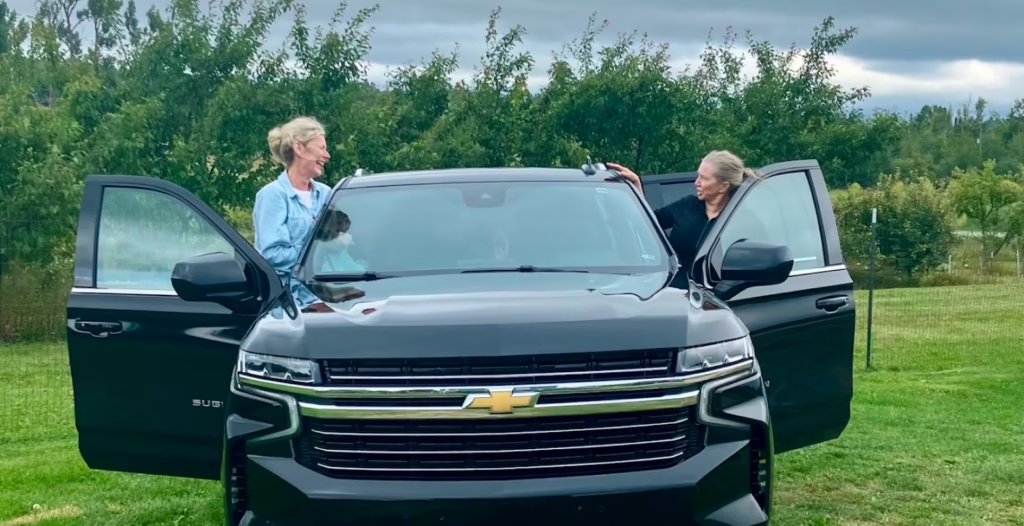
A little preparation makes your first visit more comfortable.
Skip strong fragrances
Leave heavily scented perfume, cologne, and lotions for another occasion. You and the people nearby will want to focus on what’s in the glass.
Ask questions in your own words
You don’t need technical vocabulary. Try:
- “Which wine would you suggest if I prefer something less sweet?”
- “What causes that drying feeling?”
- “Were the grapes grown locally?”
- “What food would you serve with this?”
- “How is this wine different from the previous one?”
Feel free to spit or leave a pour unfinished
You don’t have to swallow every sample or finish every glass. Ask your host where to spit or discard unwanted wine.
Keep comments considerate. “I prefer the lighter one” gives your host more useful information than declaring a wine bad.
Check policies before arriving
Confirm reservations, group-size limits, food availability, accessibility needs, and any rules relevant to your party. Don’t assume a tasting fee is waived when you buy a bottle.
Wear comfortable shoes and bring a layer if you plan to spend time outside.
Arrange transportation before tasting
Choose a designated driver who won’t drink or arrange transportation in advance. Eat beforehand, keep water available, and take breaks. You can decline a pour at any point.
A Simple Wine-Tasting Notes Template
You don’t need a detailed journal. Copy this template into your phone:
Winery and wine:
Grape variety or blend:
Aroma:
Sweetness: Dry / slightly sweet / sweet
Feel: Light / medium / full; fresh / soft / drying
My reaction:
Would I buy it? Why?
An example might read:
“Cherry aroma, no obvious sweetness, medium weight, and a little drying on the gums. I liked the fruit flavor but preferred the softer red.”
That note gives you something specific to discuss at your next stop. It also helps you remember which bottle you wanted to take home.
Planning Your First Wine Tasting in Petoskey
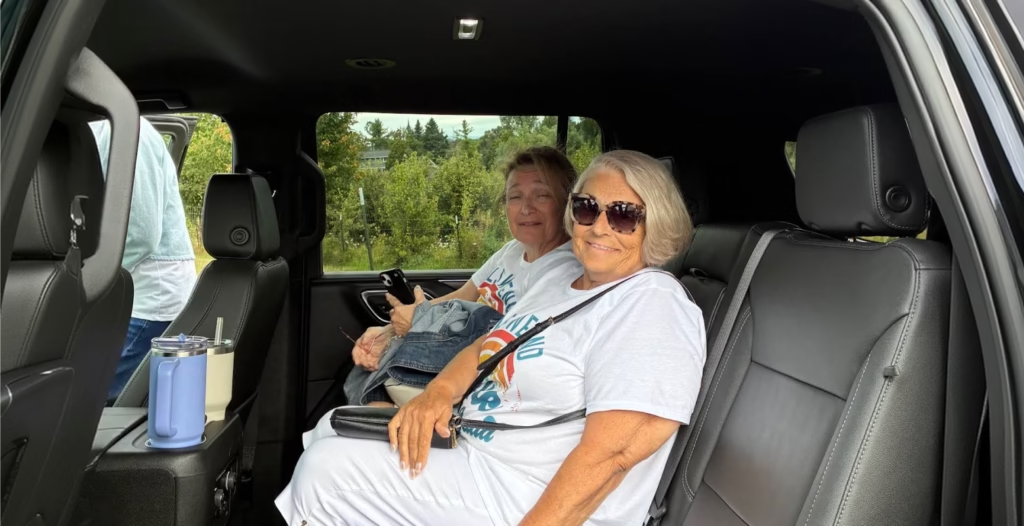
Build your first outing around time to ask questions and enjoy each stop. Avoid treating the day as a checklist of wineries to complete.
Start with the guide to wineries in Petoskey, Michigan to explore options, then confirm current hours, menus, and reservation policies directly before visiting.
When planning a tour, share:
- Your preferred date and group size.
- Whether most guests are new to wine tasting.
- Any preferences for sweet wines, dry wines, whites, or reds.
- Your pickup location and transportation needs.
- Accessibility needs and whether anyone will skip alcohol.
Petoskey Wine Tours offers private tours with personalized plans and door-to-door transportation. Before booking, ask which stops are proposed and what the quoted price includes, including whether tasting fees and food are separate.
Frequently Asked Questions
Do you need to know about wine before a tasting?
No. You can attend your first wine tasting without knowing grape varieties or tasting terminology. Tell your host you’re a beginner and describe drinks or flavors you already enjoy. Start by noticing sweetness, freshness, and texture, then use those observations to ask for recommendations.
Do you have to drink every wine at a tasting?
No. You can skip a wine, leave a sample unfinished, or spit after tasting. Ask your host where to discard wine and whether there’s a spittoon available. A flight offers opportunities to compare wines; it doesn’t create an obligation to consume every pour.
What should you wear to a wine tasting?
Choose comfortable clothing and shoes suited to the venue. If your visit includes outdoor areas, consider uneven ground and changing weather when dressing. Bring a layer and avoid strong fragrances. Check with the winery beforehand if you’re attending a special event with a dress code.
How much does a wine tasting in Petoskey cost?
The cost depends on the winery, the flight, and the experience you choose. Check current pricing with each venue or your tour provider before booking. Ask whether transportation, tasting fees, food, and gratuities are included so you can compare the full cost of your outing.
Can you take a wine tour if you only like sweet wine?
Yes—tell the tour provider and tasting room host about your preference when planning. Ask which sweeter wines are currently available and whether the proposed stops suit your tastes. You can explore other styles if you want, but there’s no need to choose dry wine to participate.
Take Your First Sip With Confidence
Wine tasting for beginners comes down to paying attention: look, swirl, smell, sip, and decide what you enjoy. Ask questions, make a few notes, and give yourself time to compare.
Ready to explore Northern Michigan wine country? Contact Petoskey Wine Tours to discuss a private outing, your wine preferences, and pickup arrangements.